Sustainable Solutions: How E-Waste Recycling Services Are Saving Our Planet
Electronic waste presents serious dangers to the environment, as disposed electronics frequently harbor hazardous substances. Such dangerous compounds can pollute soil and water supplies, resulting in widespread environmental harm. E-waste recycling initiatives provide a practical answer. They not only recover valuable resources but also mitigate pollution. Gaining insight into how these programs function and affect local communities is critical. The journey towards effective e-waste management raises critical questions about individual responsibility and collective action. What steps can be taken next?
Why E-Waste Poses a Threat to the Planet
Although technology enhances modern life, e-waste poses serious threats to the environment. Disposed electronic equipment, commonly laden with dangerous compounds like lead, mercury, and cadmium, are capable of seeping pollutants into groundwater and soil, presenting dangers to human health and ecosystems. The rapid pace of technological advancement contributes to increased consumer turnover of electronics, intensifying the growing problem of electronic waste.
Landfills, already strained by waste, are unable to keep up with the rising quantities of abandoned electronics. Burning, an alternative disposal approach, discharges toxic contaminants into the air, worsening overall air quality. Furthermore, inadequate recycling methods can result in the shipment of electronic waste to underdeveloped nations, where workers may break down equipment without proper protective measures, putting themselves at risk of exposure to hazardous materials. This pattern of negligence and mismanagement highlights the critical demand for eco-friendly recycling alternatives that can reduce the damaging impact of electronic waste on the View all environment.
Understanding E-Waste and Its Significance
Electronic waste, commonly known as e-waste, includes obsolete electronic products including televisions, computers, and smartphones that are no longer functional or needed. This growing category of waste is significant due to its rapid accumulation, propelled by advances in technology and evolving consumer behaviors. As growing numbers of electronics become outdated, the toll on the environment grows more severe, with harmful substances like lead, mercury, and cadmium presenting serious hazards to the environment and human well-being.
Addressing e-waste is crucial not only for reducing these dangers but also for acknowledging the precious materials found within it. Valuable metals and rare earth materials can be extracted and repurposed, lessening the demand for mining and preserving natural resources. By understanding e-waste and its implications, individuals and organizations can make informed decisions about disposal and recycling, ultimately contributing to a more sustainable future. Responsible management of e-waste plays a key role in supporting a circular economy and championing environmental stewardship.
How E-Waste Recycling Works
E-waste recycling entails an organized procedure aimed at reclaiming useful resources while minimizing environmental impact. To begin, electronic waste is gathered and delivered to purpose-built recycling plants. Once there, the devices undergo thorough sorting to isolate dangerous parts from recoverable materials.
Following this, technicians deconstruct the electronics, removing metals, plastics, and glass. This phase is essential, as it makes possible the recovery of rare metals like gold, silver, and copper, which are repurposed in modern electronics.
Subsequently, the isolated materials are processed using advanced techniques, such as mechanical shredding and chemical processing, to cleanse them for further use.
In the final step, the remaining hazardous waste is handled with responsibility, adhering to eco-friendly standards. This multi-step approach not only conserves resources but also reduces the dangers linked to unsafe e-waste handling, guaranteeing a greener future for electronic device usage.
How E-Waste Recycling Benefits You and Your Community
Though many people are unaware, the advantages of e-waste recycling reach well past personal use to meaningfully influence entire communities. By properly recycling electronic waste, individuals play a role in creating a cleaner environment, decreasing harmful substances that can contaminate soil and water. This proactive approach helps preserve local ecosystems and promotes public health.
Moreover, the recycling of e-waste encourages job creation within communities. Regional recycling centers frequently need staff for various operations, spanning collection through processing, thus generating valuable job opportunities to area workers. This not only enhances the community economy but also inspires community dedication to sustainable efforts.
Furthermore, knowledge about e-waste recycling has the potential to generate community outreach programs, enabling residents to make environmentally conscious decisions. By taking part in e-waste recycling programs, individuals nurture a culture of sustainability, motivating others to embrace similar practices. Overall, the collective impact of these actions can create a more resilient and environmentally responsible community.
A Guide to Selecting an E-Waste Recycling Service
Choosing the best e-waste disposal service is crucial for guaranteeing that electronic waste is handled with responsibility and sustainability. First, individuals should check the service's accreditations, such as e-Stewards or R2, which demonstrate conformance to established benchmarks for responsible recycling methods. It is equally important to assess the organization's credibility by reviewing feedback and seeking advice from dependable sources.
Furthermore, clarity in the recycling process is essential. A trustworthy company should supply straightforward details about the way e-waste is handled and what happens to the materials. Moreover, considering the scope of services provided can prove valuable; some companies may provide pickup services or offer incentives for recycling.
In addition, familiarizing yourself with regional rules concerning e-waste disposal can help inform the evaluation process. Through focusing on these key aspects, individuals can contribute to responsible e-waste disposal as well as promoting green and responsible behaviors.
How You Can Get Involved in E-Waste Recycling?
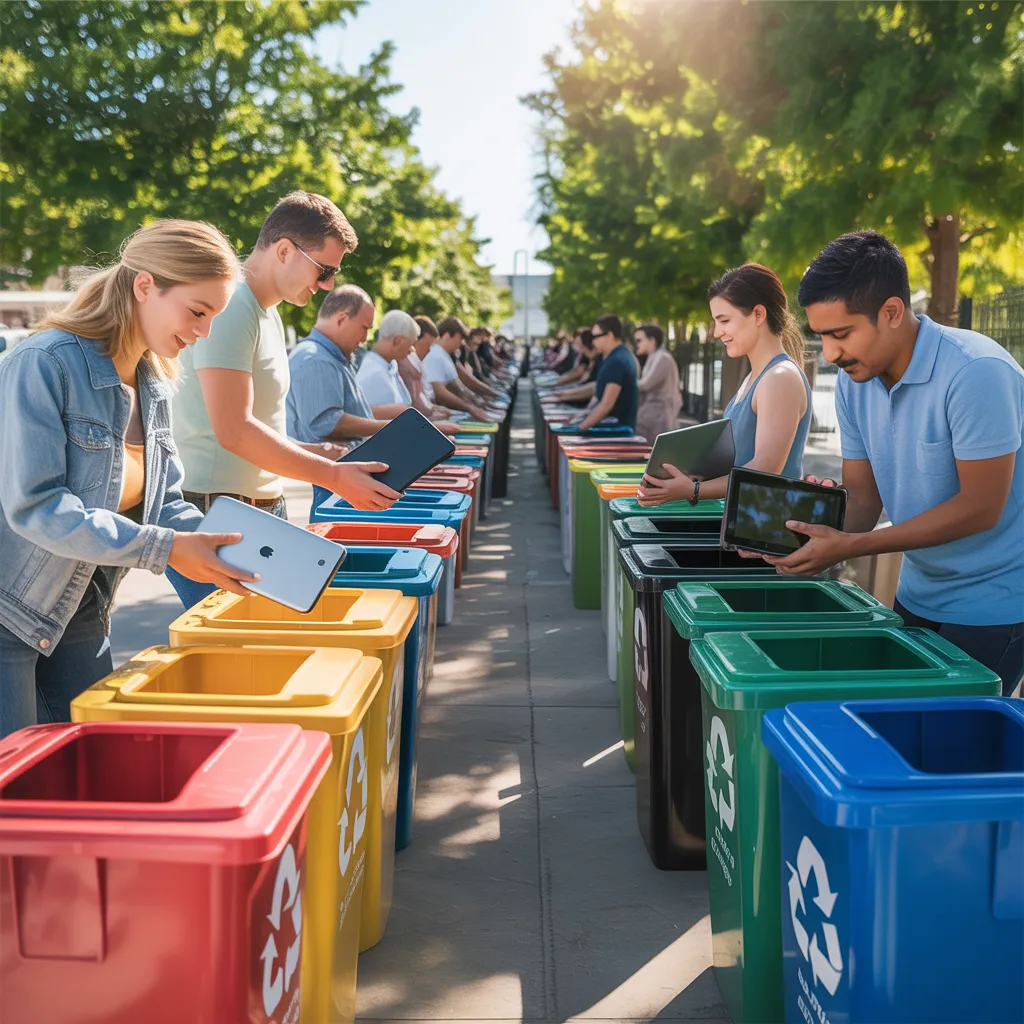
Participating in e-waste recycling often starts at the local level, where community recycling hubs regularly supply essential services for responsible disposal. Additionally, taking part in community awareness campaigns can amplify efforts to inform others regarding the importance of proper e-waste handling. These initiatives not only advance environmental sustainability but also foster a collective sense of stewardship of the environment.
Area Recycling Stations
Many neighborhood recycling stations serve a vital function in electronic waste recycling, giving communities practical solutions to manage electronic waste appropriately. These hubs welcome a wide array of electronic devices, including used computers, handheld devices, and televisions, guaranteeing that dangerous substances are processed safely. The majority of facilities employ experienced team members who are able to assist individuals with correct disposal techniques, emphasizing the importance of recycling over landfilling. Moreover, several stations organize scheduled drop-off occasions or specific collection dates, allowing residents to take part with ease. By utilizing these local services, community members advance a circular economy, lowering environmental harm and encouraging sustainable habits. Connecting with these stations empowers communities to take action against e-waste pollution effectively.
Community Awareness Campaigns
Local organizations, schools, and businesses can collaborate to host events that promote e-waste collection drives. Volunteers can play a pivotal role in promoting knowledge, handing out educational content, and interacting with the surrounding community. As a result of these combined actions, residents become more informed and motivated to recycle their electronic waste, thereby helping to build a greener and more sustainable tomorrow.
Questions We Often Receive
What Kinds of Electronics Can Be Recycled?
A wide range of electronics may be recycled, including computers, smartphones, televisions, laptops, gaming consoles, and printers. Moreover, peripherals such as mice, keyboards, and batteries are well-suited for recycling, supporting eco-friendly conservation initiatives.
Is There a Cost Associated With E-Waste Recycling?
Yes, electronic waste recycling can include charges, depending on the provider. Some service centers charge fees for pickup or handling, while some providers provide no-cost solutions, frequently supported by the sale of reclaimed components.
What Are the Benefits of E-Waste Recycling for Businesses?
Organizations can gain from e-waste recycling by minimizing disposal costs, improving their green reputation, meeting compliance standards, recovering valuable materials, and creating potential earnings via resale, thereby fostering a more environmentally responsible business approach.
What Happens to Data on Recycled Devices?
Data regarding recycled electronics is often completely removed or eliminated during the refurbishment process. This confirms private details stays protected, stopping improper access while allowing resources to be recycled safely and responsibly in new products.
Can I Recycle Broken Electronics?
Absolutely, broken electronics are able to be recycled. Many collection points receive damaged devices, providing proper disposal and recovery of valuable materials. It helps minimize harm to the environment while supporting eco-friendly recycling methods to control e-waste effectively.